

The Role of Luck in Gambling
When it comes to gambling, the concept of luck is often at the forefront of discussions surrounding casino winnings. For many players, luck is seen as a magical force that can sway the outcome of a game in their favor. In games of chance, such as slots and roulette, the unpredictability of results highlights the role of luck, as outcomes are based purely on random number generation. Many players seek out establishments that offer a fast withdrawal casino uk experience, as this feature can enhance their overall satisfaction and confidence in their gaming choices. This randomness can lead to extraordinary wins or devastating losses, often leaving players to wonder whether their fortunes are the result of skill, strategy, or mere serendipity.
However, the perception of luck can be misleading. While luck plays a significant role in short-term results, long-term gambling outcomes are influenced more heavily by the house edge and statistical probabilities inherent in each game. Understanding these elements can help players approach their gambling experience with a clearer perspective, recognizing that while luck may contribute to individual sessions, it is not the sole determinant of overall success in the casino.
Moreover, the psychological aspect of luck cannot be dismissed. Many players believe in luck charms or rituals they think will influence their chances. This belief can enhance the enjoyment of the gambling experience but might also lead players to overlook the more calculated strategies that can improve their odds. Therefore, while luck is a component, it should be considered within the broader context of strategy and game mechanics when evaluating casino winnings.
The House Edge and Game Mechanics
Every casino game is designed with a built-in advantage for the house, known as the house edge. This mathematical advantage ensures that, over time, the casino will generate a profit regardless of the luck involved in individual plays. Different games come with varying house edges; for instance, blackjack typically has a lower house edge compared to games like slots. Understanding the mechanics and odds of each game can illuminate how skillful play combined with strategic decisions can help mitigate the impact of luck.
For example, in games like poker, skill and experience significantly outweigh the element of luck. Players can develop strategies that exploit their opponents’ weaknesses and maximize their chances of winning in the long run. In contrast, games of pure chance offer little room for strategy, leaving players at the mercy of random outcomes. Recognizing the differences between these types of games is crucial for gamblers who wish to navigate the role of luck effectively in their gambling activities.
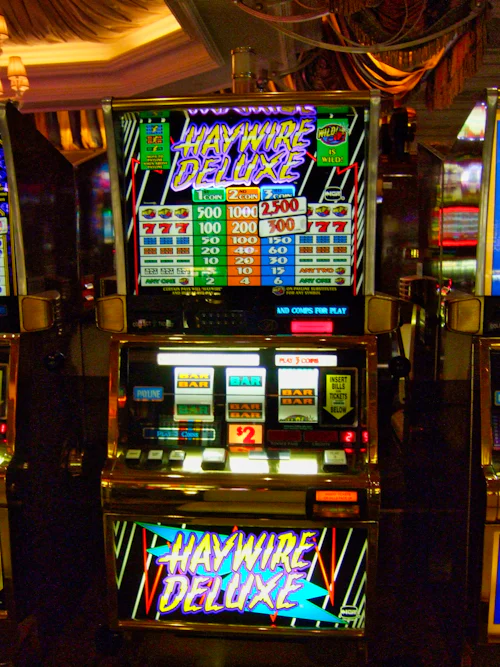
Moreover, understanding the payout structures of games can also inform players about the likelihood of winning. Games that offer higher payouts often come with lower probabilities of winning, suggesting that luck plays a more significant role. As such, players must decide how much of their success they attribute to luck versus skill based on their understanding of the game mechanics and the inherent risks involved.
The Psychological Impact of Gambling and Luck
The psychology of gambling is intricately tied to the concept of luck. Players are often driven by the thrill of winning and the hope that luck will be on their side. This leads to a phenomenon known as the “gambler’s fallacy,” where individuals believe that past outcomes will influence future events. For instance, a player may think that after several losses, they are “due” for a win. This notion can lead to irrational betting behaviors and an over-reliance on luck as a guiding principle.
Additionally, the emotional highs and lows associated with gambling can distort a player’s perception of luck. The euphoria of a big win can create a gambler’s high that reinforces the belief in luck, making players more willing to risk their winnings. Conversely, a streak of bad luck can lead to frustration and poor decision-making, compounding losses. Understanding these psychological factors is vital for players who wish to approach gambling with a balanced mindset, acknowledging the role of luck while also being aware of the strategic elements involved.
Ultimately, the interplay between luck and psychological factors can lead to a cycle of behavior that may not be conducive to long-term success at the casino. By fostering an awareness of how emotions and luck influence decisions, players can cultivate a healthier gambling pattern that emphasizes enjoyment and responsible play rather than reliance on chance.
Balancing Luck and Strategy in Casino Games
To achieve success at the casino, players must strike a balance between luck and strategy. This balance varies from game to game, as some games are purely luck-based, while others offer opportunities for skillful play. For example, while slot machines rely heavily on luck, table games like blackjack or poker allow players to implement strategies that can significantly influence outcomes. Consequently, those who focus on skill-based games often find that their long-term results reflect their ability more than their luck.

Moreover, developing a well-thought-out strategy can help players manage their bankroll effectively. By understanding the odds and potential risks associated with different games, players can place more informed bets that align with their risk tolerance. This level of strategic thinking not only aids in managing financial resources but also provides a greater sense of control over the gambling experience, reducing the negative impacts of bad luck.
In addition to having a strategy, players should also be prepared for the inevitable fluctuations of luck. This means recognizing when to take a break or step back after a loss, rather than chasing losses in hopes that luck will turn. By maintaining a balanced approach that respects both the unpredictable nature of luck and the importance of strategy, players can enhance their overall experience at the casino and potentially improve their winning outcomes.
Exploring More about Gambling Strategies
Understanding the dynamics of luck and strategy in casino games opens up deeper conversations about gambling practices and the resources available for players. Many educational platforms, articles, and forums exist to provide insights into effective gaming strategies that can complement the element of luck. Players can explore various techniques such as bankroll management, game selection, and tactical gameplay adjustments to navigate the casino landscape more wisely.
Additionally, engaging with communities of fellow gamblers can foster learning and shared experiences that enrich one’s understanding of the interplay between luck and strategy. Networking with experienced players can provide practical tips on how to make informed decisions based on statistical analysis and personal anecdotes. Such exchanges can be invaluable for those looking to improve their chances of success while also enjoying the gambling experience.
Ultimately, it’s essential for players to approach casino gaming as a form of entertainment rather than merely a means to achieve winnings. By blending luck with sound strategies and an awareness of psychological factors, players can cultivate a more rewarding and sustainable engagement with the world of gambling. As players continue to explore these facets, they will find that success at the casino is often a harmonious blend of both luck and informed decision-making.